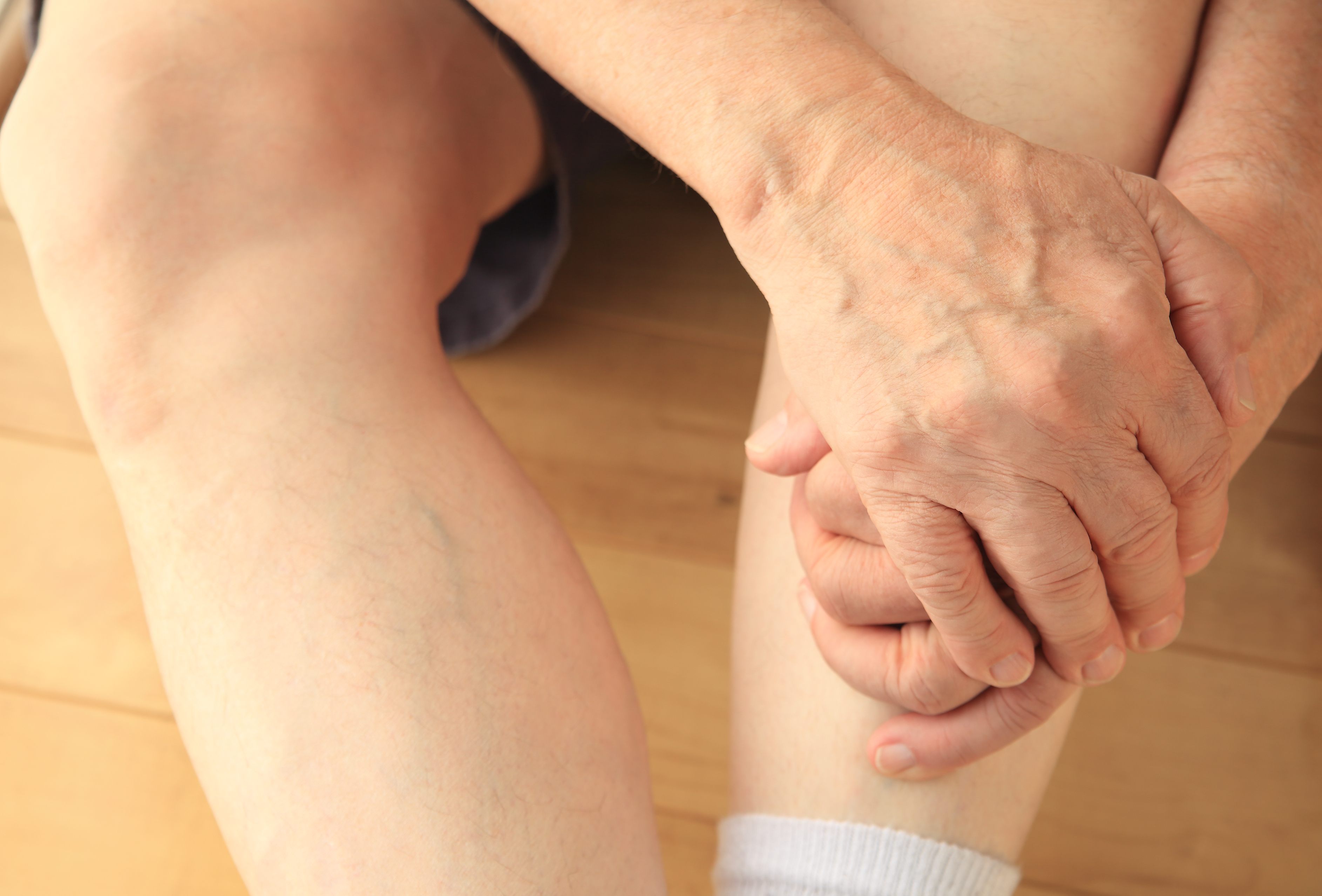
Understanding Your Veins
Varicose and spider veins are not just cosmetic concerns—they can signal underlying circulatory issues that, if left unaddressed, may impact the overall health of your legs. Learning how your veins function and understanding the factors that can cause them to weaken is an important first step toward effective management and long-term vein wellness.
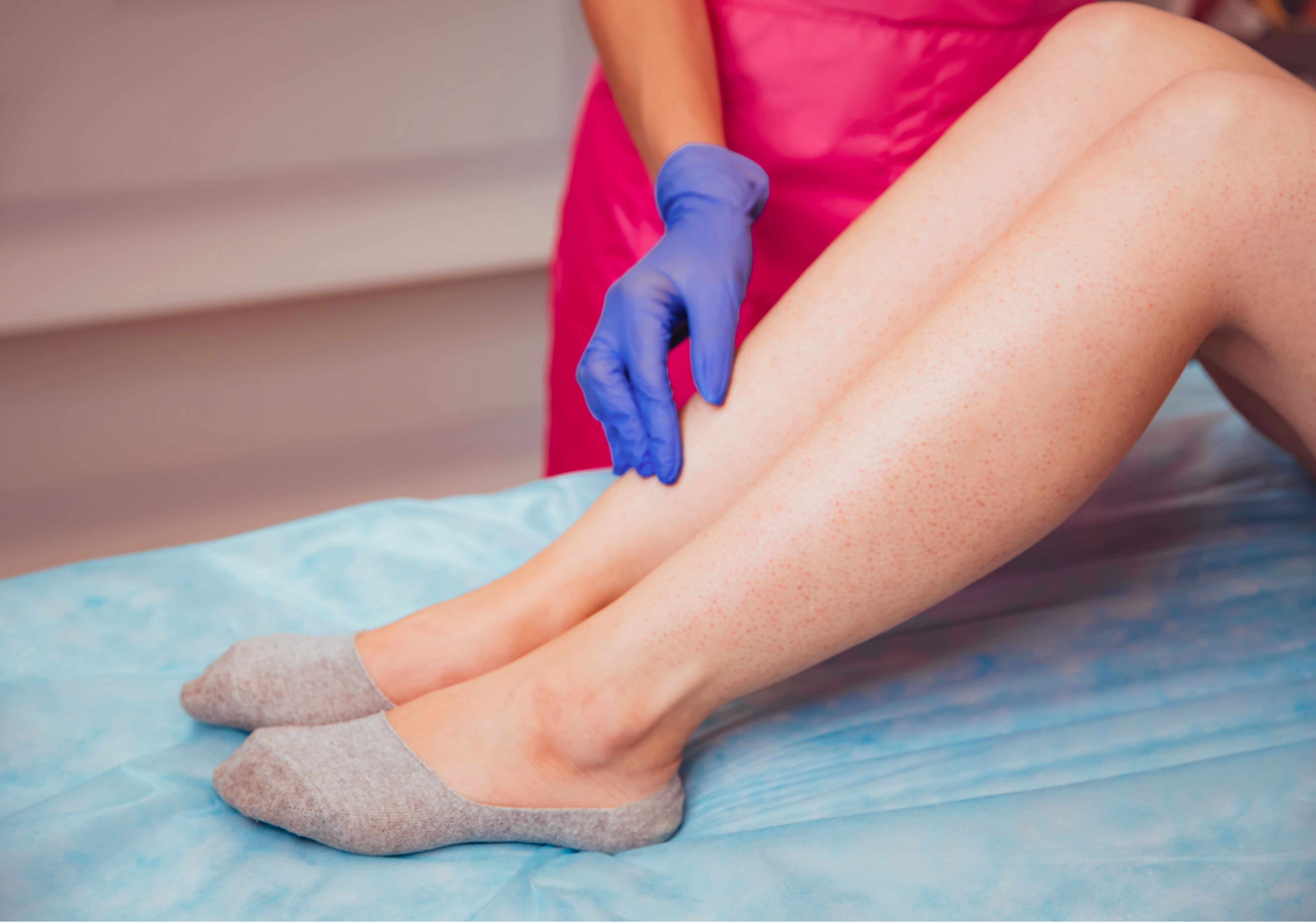
Spider veins are small, delicate veins visible just beneath the skin. They may appear red, blue, or purple and often form web-like or branching patterns. While typically harmless, they can sometimes cause mild discomfort, including itching, tingling, or burning. Many patients choose treatment for cosmetic reasons, but addressing spider veins early can prevent further progression and reduce discomfort over time.
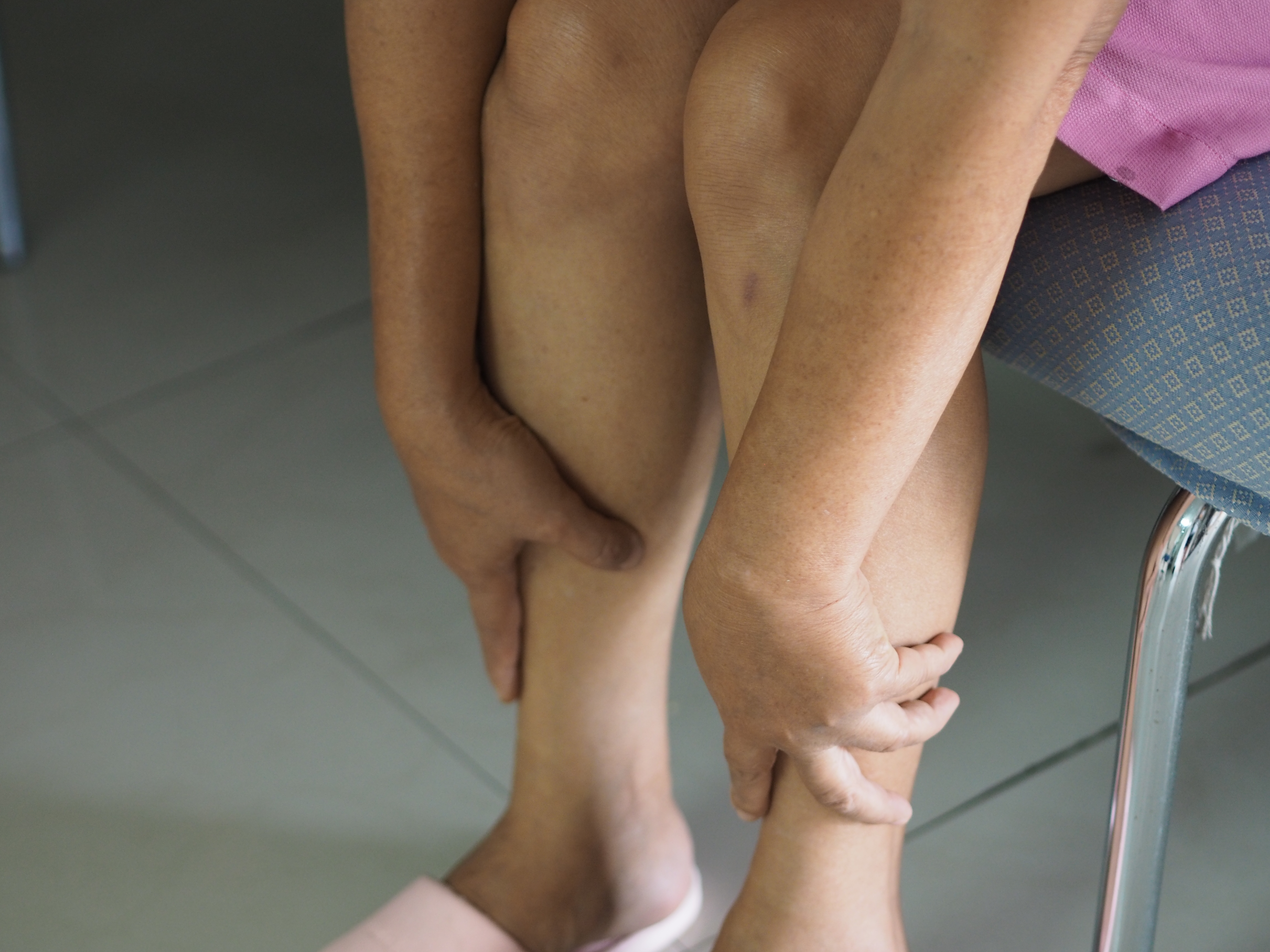
Varicose veins are larger, bulging veins that rise above the surface of the skin. They can lead to heaviness, throbbing, cramping, or swelling, especially after prolonged standing or sitting. Varicose veins may also contribute to skin discoloration and restless legs. If left untreated, more severe cases can result in chronic inflammation, changes to the skin, or venous ulcers that are slow to heal.

.jpg)
.png)



.png)