Understanding Your Veins
Varicose veins and spider veins are more than just cosmetic concerns—they can indicate underlying circulatory issues that, if left untreated, may impact your overall leg health. Learning how your veins work and what can cause them to malfunction is the first step toward effective treatment and long-term leg wellness.
Spider veins are small, delicate blood vessels near the surface of the skin. They often appear red, blue, or purple and form web-like or branching patterns on the legs. While typically harmless, spider veins can sometimes cause mild discomfort such as itching, tingling, or burning. Many patients seek treatment primarily for cosmetic reasons, but addressing spider veins early can prevent further progression and discomfort.
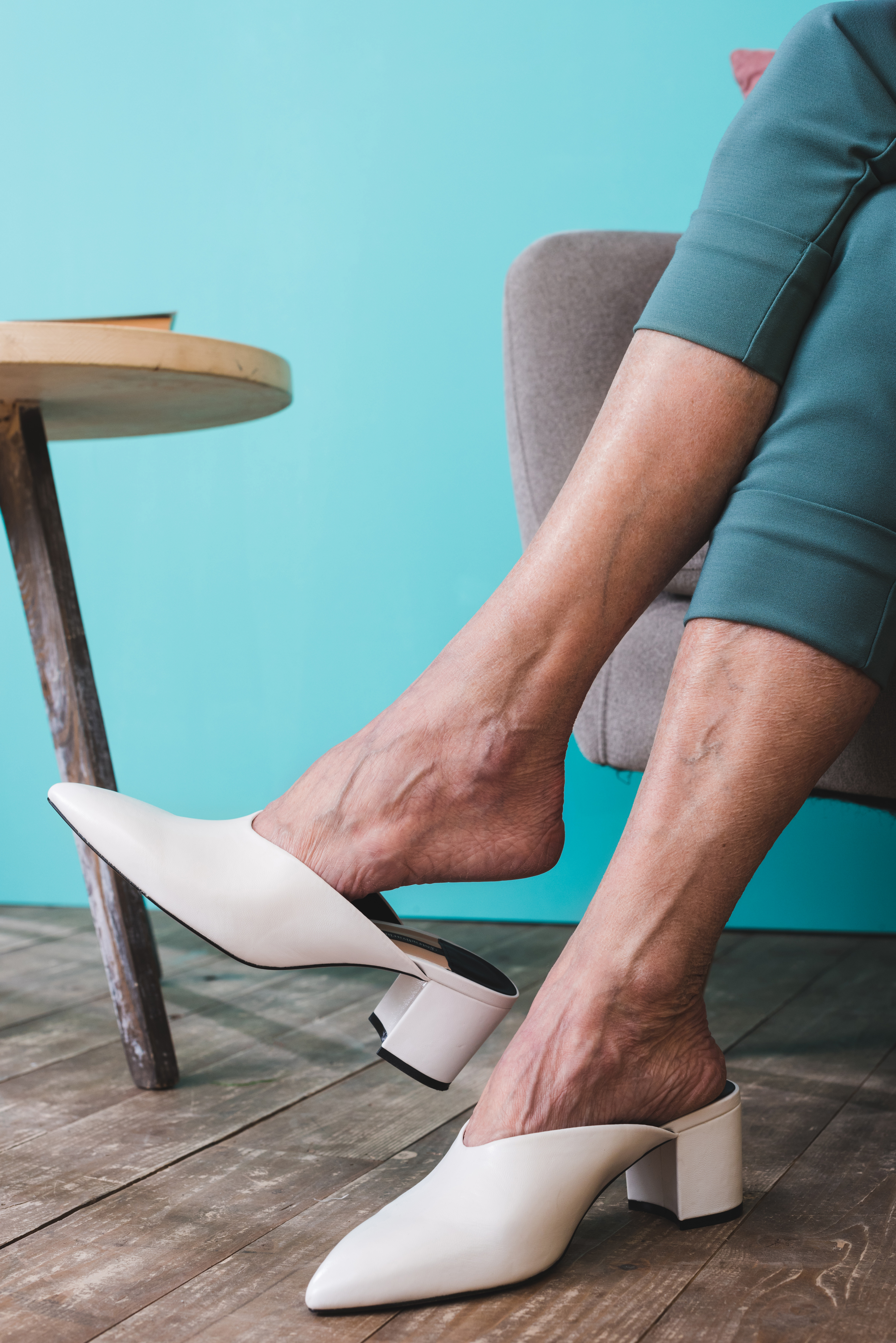
Varicose veins are larger, swollen veins that bulge above the skin. They may cause heaviness, throbbing, or cramping in the legs, especially after prolonged standing or sitting. Other common symptoms include swelling, skin discoloration, and restless legs. In more severe cases, untreated varicose veins can lead to chronic inflammation, skin changes, or venous ulcers that are slow to heal.


.jpg)
.png)


.png)